TMS Therapy | Transcranial Magnetic Stimulation
Limited Availability Starting January 2026
At Mile High Psychiatry, we’re always seeking innovative, evidence-based treatments to support your mental wellness journey. One of the most promising advancements in mental health care is Transcranial Magnetic Stimulation (TMS) a non-invasive, FDA-approved treatment for depression and other mood disorders that haven’t responded to traditional therapies.
We’re excited to announce that TMS will soon be available at Mile High Psychiatry. If you or a loved one are exploring alternative treatment options, we invite you to stay connected and be the first to know when our program launches.
Patient Stories
After 50 years of struggling with depression and medications, Schatzie found lasting relief through TMS therapy. Her story is a powerful reminder that it's never too late to feel like yourself again.
Anne shares how TMS helped her find lasting relief after a lifelong struggle with depression. Her story offers hope for those who've tried everything else.
What to Expect During TMS Treatment
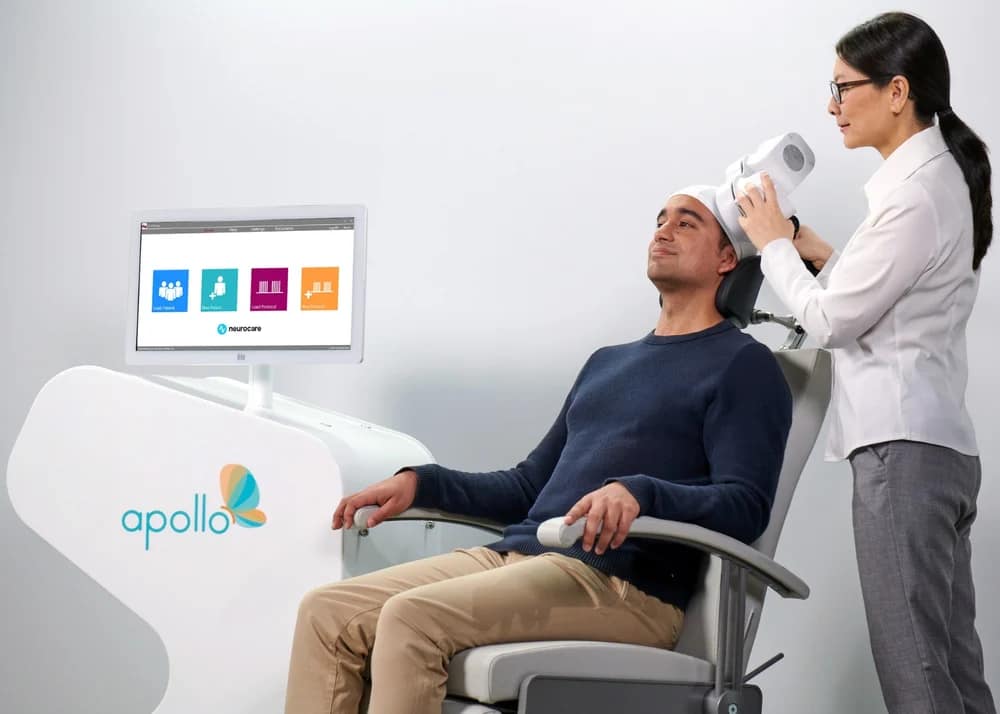
TMS therapy is a comfortable, non-invasive outpatient procedure that doesn't require anesthesia or sedation. You'll remain awake and alert throughout each session, which typically lasts 20-40 minutes.
- Comfortable Setup: You'll sit in a specialized treatment chair while a magnetic coil is positioned precisely over your head.
- No Downtime: After each session, you can immediately return to your normal activities.
- Treatment Course: Most patients complete 30-36 sessions over 6-9 weeks for optimal results, with sessions scheduled Monday through Friday.
- Minimal Side Effects: The most common side effect is mild scalp discomfort during treatment, which typically decreases after the first week.

Very helpful. A wealth of information and compassion. Very refreshing.
– S. Rose
Proven Clinical Results
TMS therapy is backed by extensive research showing significant improvement across multiple conditions. Scientific studies demonstrate that two out of three patients with treatment-resistant depression benefit from TMS.
FDA-Cleared Conditions
- ✓ Treatment-Resistant Depression
- ✓ Anxiety Disorders (GAD)
- ✓ OCD Symptoms
- ✓ PTSD
- ✓ Chronic Neuropathic Pain

SPECT scan showing increased blood flow (red-orange) in brain regions after TMS treatment
TMS Boosts Brain Activity
SPECT scan imaging reveals how TMS directly targets specific brain circuits involved in mood regulation. The red-orange areas in these scans show increased blood flow in the brain as a direct result of TMS treatment.
Unlike medications that affect the entire brain and body, TMS precisely stimulates only the areas below the magnetic coil and deeper brain regions responsible for mood, resulting in therapeutic benefits without the systemic side effects of antidepressants.
- Targeted Treatment: Only affects mood-regulating circuits
- No Systemic Side Effects: No weight gain, sexual dysfunction, or fatigue
- Natural Brain Stimulation: Helps the brain release mood-regulating chemicals naturally
Research-Backed: Evidence-based guidelines on therapeutic use of rTMS (Clinical Neurophysiology, 2020) | Multiple peer-reviewed studies across 300+ research publications
How TMS Works

Targeted Magnetic Pulses
A specialized coil delivers focused magnetic pulses to specific areas of the brain associated with mood regulation, similar to an MRI in strength.

Neural Activation
The magnetic field passes through the skull and stimulates nerve cells in the prefrontal cortex, areas often underactive in depression.

Promotes Neuroplasticity
Repeated sessions help "retrain" neural pathways, improving communication between brain regions and restoring normal activity patterns.

Symptom Relief Over Time
Most patients begin noticing improvements after 2–3 weeks, with continued benefits developing throughout the full treatment course.

Learn More
Explore TMS Today
Our team is dedicated to helping you achieve meaningful and lasting care.