
Overcoming the Fear of Being Alone
You cancel plans, then immediately dread the quiet that follows. You scroll through your phone not because there’s anything to see, but because the silence feels unbearable. You stay in relationships that aren’t working because the thought of being without someone, anyone, feels worse than being unhappy. You’re never technically alone, but you’re always afraid of it.
The fear of being alone, sometimes called autophobia or monophobia, is more common than most people admit. And it’s not just about physical solitude. For many people, it’s the deeper fear that without someone else nearby, they’ll have to sit with themselves, and what they find there won’t be enough. That fear can quietly shape every relationship, every boundary (or lack of one), and every moment of free time.
If you recognize yourself here, you’re not broken. But understanding what’s driving this fear, and learning how to face it, can change your relationship with yourself and everyone around you.
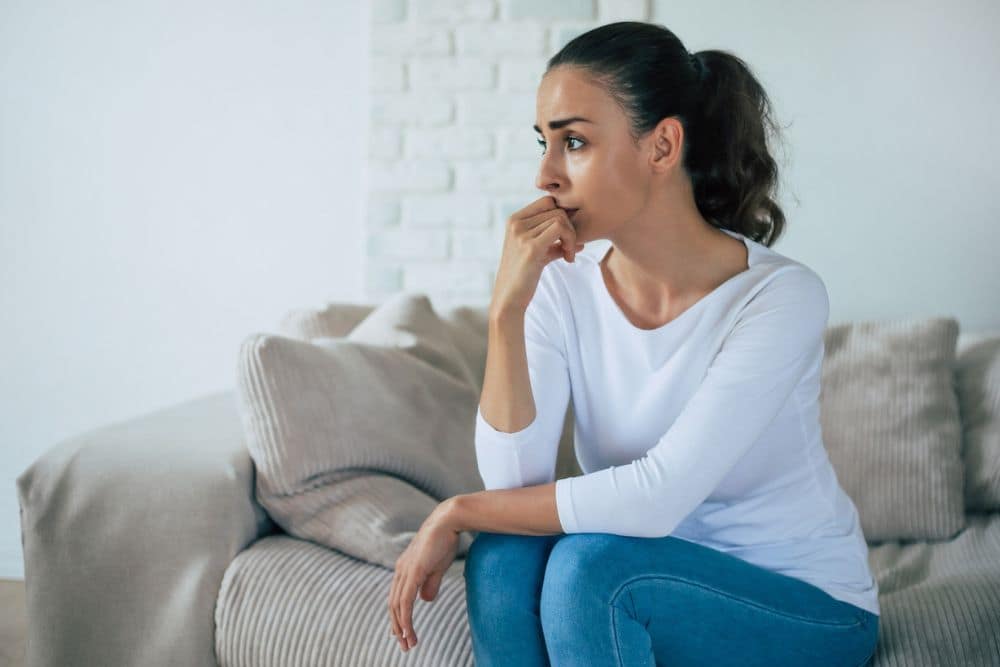
What the Fear of Being Alone Really Means
It’s easy to confuse the fear of being alone with introversion or just really liking people. But autophobia runs deeper than preference. It’s a fear response, one that can trigger real anxiety when solitude is near or approaching. Sometimes it’s a low hum of panic that won’t settle. Other times, it’s a constant restlessness that makes stillness feel threatening.
This fear often has roots in early experiences. Children who grew up in unpredictable homes, experienced abandonment, or didn’t have consistent emotional support can develop a deep association between being alone and being unsafe. Early attachment experiences shape how we relate to ourselves and others well into adulthood. Aloneness becomes a threat rather than a neutral state.

Why the Fear of Being Alone Gets Worse Over Time
Avoidance is the engine that keeps most fears running. Every time you fill the silence with noise, distraction, or another person to escape the discomfort of solitude, you send your brain a signal: being alone is dangerous. The fear grows because it never gets the chance to be disproven.
The longer this goes unchallenged, the more it costs you.
- Staying in relationships that aren’t working because the alternative feels unbearable, even when you know, deep down, that the relationship isn’t right.
- Over-scheduling and burning out by saying yes to every invitation, not out of excitement, but out of fear of what an empty evening might feel like.
- Deepening anxiety and depression when your entire emotional regulation depends on other people being present. When plans fall through, there’s nothing internal to fall back on.
- Losing yourself in relationships by over-giving and gradually forgetting what you actually want because keeping people close has become the priority.
Breaking that cycle requires something different.
How to Start Overcoming the Fear of Being Alone
The goal isn’t to become someone who prefers isolation. It’s to reach a place where solitude is a choice rather than a sentence.
Get Curious About What the Fear Is Protecting
Fear of being alone usually isn’t about the quiet. It’s about what surfaces in the quiet – difficult emotions, unresolved grief, self-criticism, and the discomfort of sitting with your own thoughts. Before you can face the fear, it helps to get honest about what you’re actually avoiding.
Try asking yourself: When I’m alone, what’s the feeling I most want to escape? Journaling can help here. Writing gives shape to thoughts that feel shapeless and overwhelming when they’re just floating in your head.
Practice Being Alone in Small Doses
Like any fear, the way through is gradual exposure, not avoidance. Start with short, low-stakes windows of solitude and sit with the discomfort rather than immediately reaching for your phone. Take a walk without headphones. Eat one meal without a screen. The goal is to collect evidence that being alone doesn’t hurt you. Over time, these small moments build a different kind of trust in yourself.
Build a Relationship With Yourself
The people who are most comfortable alone tend to share one thing: they actually like spending time with themselves. Getting to know your own preferences, not what you like to do with others, but what genuinely interests you when no one is watching, is a big part of that.
This might mean rediscovering hobbies you abandoned in relationships, or simply learning how you like to spend a Sunday morning when no one else’s preferences are involved. Self-knowledge creates self-companionship.
Address the Underlying Anxiety or Trauma
For some people, the fear of being alone is deeply tied to anxiety disorders, depression, or past trauma. When that’s the case, practicing solitude on your own may only go so far. Working with a mental health provider can help you understand where the fear started and build the internal resources to sit with yourself without panic. Cognitive behavioral therapy (CBT), a structured approach that helps people identify and shift unhelpful thought patterns, is particularly effective for phobias and anxiety.
Being Alone Is Not the Same as Being Lonely
Loneliness is a painful emotional state that can happen in a crowded room. Solitude, when chosen and practiced, is something different: a space to rest, think, and reconnect with who you actually are beneath all the noise. That shift, from fearing alone time to valuing it, is available to you. It doesn’t happen overnight, but it starts with deciding that your own company is worth getting to know.
Get Support at Mile High Psychiatry
At Mile High Psychiatry, we work with adults who struggle with anxiety, depression, and the fears that keep them stuck, including the fear of being alone. We offer both telepsychiatry and in-person care at our Colorado locations. Request an appointment with Mile High Psychiatry today and take the first step toward feeling at home with yourself.

